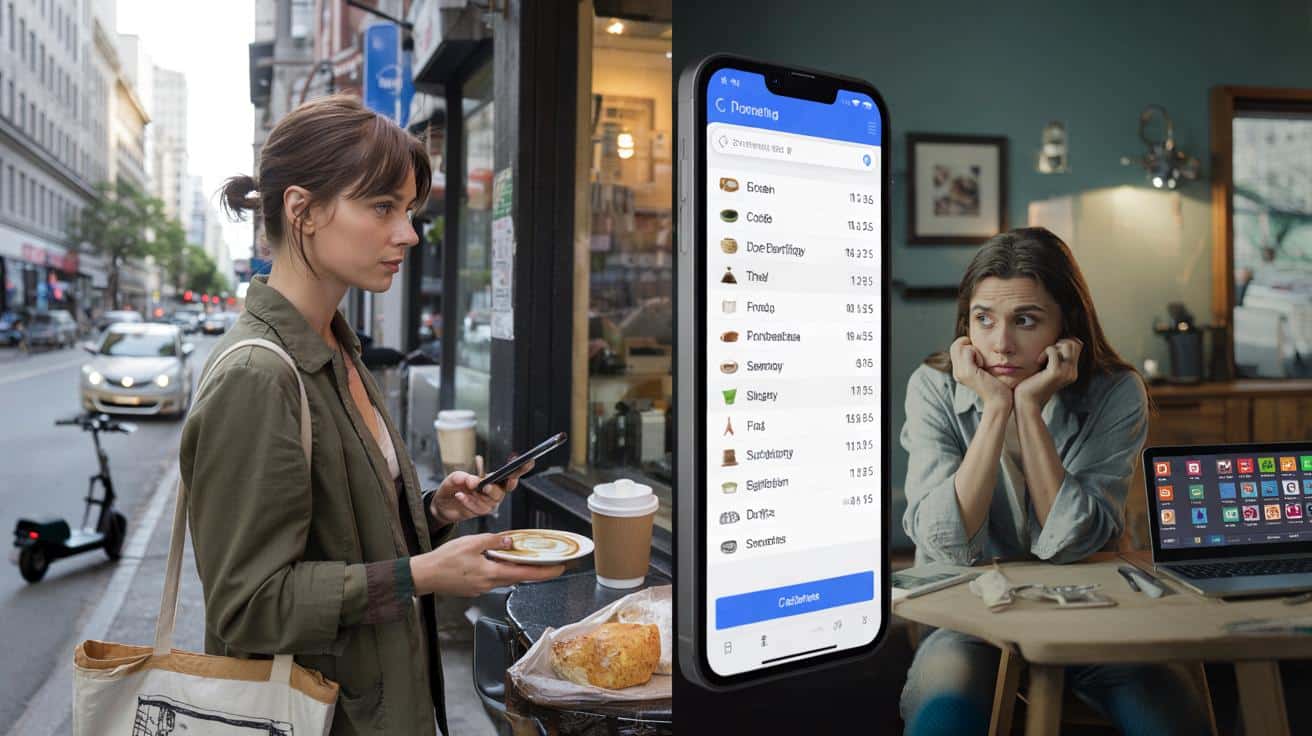
The coffee shop line moved slowly, the way it always does at 8:42 a.m.
Ahead of you, someone orders an oat milk latte, extra shot, plus a muffin “because I deserve it today.” The contactless beep is almost invisible, just a small sound, a quick tap, then the phone slides back into a pocket already full of unread banking notifications.
Nobody looks worried.
On the way to work, a scooter rental flashes an offer: “Just €1 to unlock.” Lunchtime, a colleague suggests food delivery “to save time.” That night, streaming platforms quietly charge your card while you fall asleep on the couch.
Nothing dramatic. No big splurges. Just tiny, forgettable choices.
Then one day, the bank app number feels… wrong.
The silent cost of “harmless” everyday habits
Most people think money problems start with huge purchases: a car that’s too expensive, an impulsive trip, a luxury gadget.
In reality, a lot of financial stress begins in the supermarket aisle, the takeaway app, or that third subscription you forgot you even had.
We tell ourselves, “It’s just a few euros,” or, “I’ll be more careful next month.”
But those small, automatic decisions are like background apps draining your battery.
You don’t notice them, until everything feels slower, heavier, tighter.
A young teacher I interviewed recently swore she “didn’t spend much.”
No designer bags, no five-star hotels, no gambling. Just a normal life in a mid-sized city.
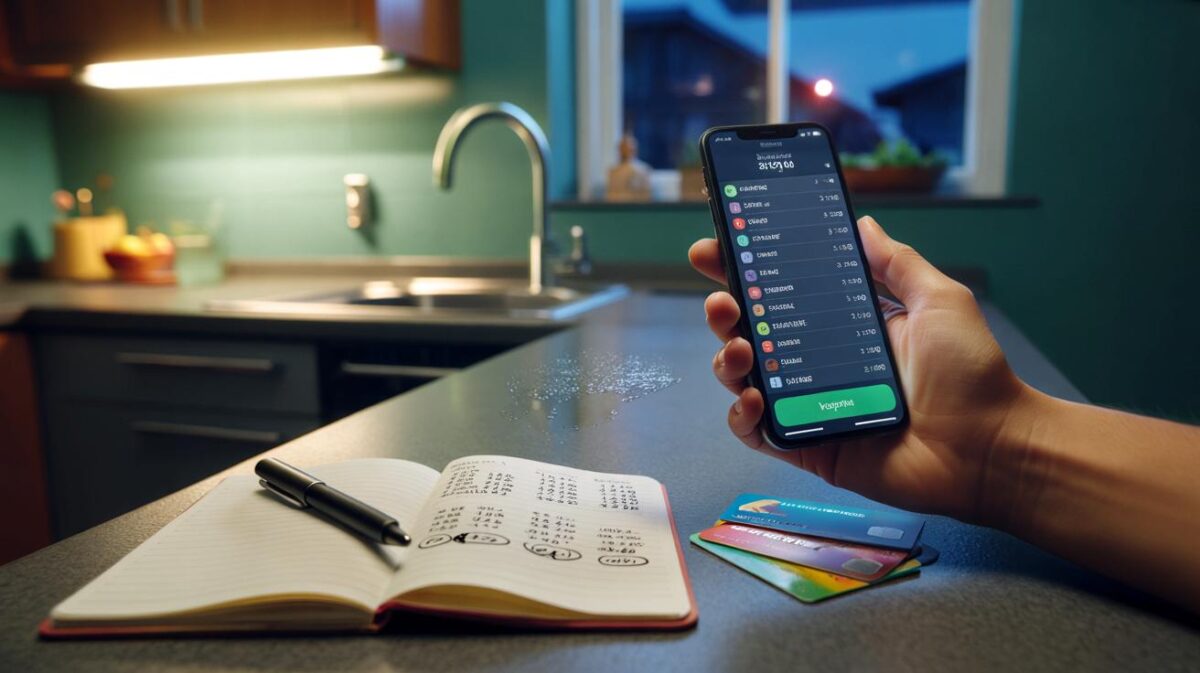
We opened her banking app together and exported three months of transactions.
Here’s what quietly showed up: €192 in food delivery, €86 in coffee shops, €64 in unused subscriptions, and €127 in “small online orders” she didn’t even remember.
None of those expenses looked outrageous on their own.
But taken together, they added up to almost €470 per month.
That’s more than many people’s rent increase, and it never felt like a decision.
➡️ This job allows you to work alone and still earn a comfortable living
➡️ This is why your fridge smells come back quickly, and how to stop them
➡️ A simple adjustment to how you start tasks can reduce resistance immediately
➡️ How monthly financial planning changes once children enter the picture
➡️ “I’m over 60 and felt tense in my legs”: the circulation habit that helped
➡️ How irregular routines can disrupt your sense of balance
➡️ “This comfort recipe is what I cook when I need something reliable”
➡️ Psychology explains what it means if you constantly think about how others might perceive you
This is where the brain tricks us.
It treats big purchases as “events” and small expenses as “noise.”
When we buy a phone, we think for days.
When we tap for a €7 snack, we barely blink.
Yet mathematically, 60 small taps can destroy a budget faster than one big purchase you actually planned for.
Our routines create a kind of financial autopilot, and that autopilot is usually calibrated around comfort, not long-term stability.
*Money leaks rarely feel like leaks when they’re wrapped in routine.*
Turning the spotlight on your daily money autopilot
One practical shift that changes everything: track just one routine decision for a week.
Not all of them. Just one.
For example, every time you’re about to buy a drink or a snack outside the house, write it down in your notes app.
Not the amount, but the moment: where you are, what time it is, how you feel.
After seven days, read through it.
Patterns appear fast.
You start noticing that “I’m tired,” “I’m stressed,” or “I’m bored” cost you €60, €90, or more per week without asking permission.
A software developer I talked to tried a simple experiment.
He didn’t cut anything at first, he just labeled his small expenses with a single word emotion: tired, rushed, social, reward, or lazy-cooking.
After a month, he realized something brutal: his “tired” purchases alone totaled €210.
Energy drinks, takeaway, late-night snacks from the corner shop.
He didn’t feel like someone who “wasted” money.
He felt overworked and under-rested.
His statement was simply mirroring that.
Once he saw the pattern, he didn’t go full monk mode.
He just said: “Two ‘tired purchases’ per week, max.”
The rest, he prepared at home the day before, when his willpower was still awake.
This is the part nobody teaches us in school: routine spending is often emotional spending in a costume.
We’re soothing something, delaying something, or rewarding ourselves for surviving the day.
**Budgets fail when they only talk to the calculator part of our brain.**
The human part still wants comfort, pleasure, and instant relief.
The trick is not to kill those small joys, but to move them from “unconscious reflex” into “chosen ritual.”
A weekly fancy coffee you truly savor is very different from five rushed ones you barely taste while doomscrolling.
Let’s be honest: nobody really tracks every cent every single day.
What we can do is choose a few key routines and bring them into the light.
Small rewrites that change your financial story
A surprisingly powerful method: the “swap, don’t stop” rule.
Instead of promising yourself you’ll “never” order delivery again, decide what you’ll do instead on specific days.
For example:
Monday to Thursday, you cook once and eat twice.
Double your pasta, soup, or rice, and store tomorrow’s lunch in a container before you even sit down to eat.
Then pick one “permission day” for delivery or eating out, guilt-free.
That little bit of structure saves money without feeling like punishment, because you aren’t just cutting — you’re trading one comfort for another.
There’s also the subscription trap.
Streaming, apps, storage, fitness, news, dating, meditation… one by one they seem cheap.
A kind, honest move you can make for yourself is a “subscription Sunday” every three months.
Coffee in hand, you scroll through your bank statement and list every recurring charge.
Ask just one question per line: “Would I happily buy this again today at this price?”
If the answer is “meh,” cancel it on the spot or put a reminder in 30 days to decide again.
You don’t have to feel stupid for previous choices.
Those past versions of you did their best with the information and emotions they had.
Sometimes the most radical financial decision isn’t earning more, but finally noticing where your quiet money drains live.
- Identify one daily habit that costs money (coffee, snacks, taxis, scroll-shopping).
- Track that single habit for 7 days without changing it, just observing.
- Choose a specific, realistic “swap” for 3 of those moments next week.
- Set one calendar reminder for “subscription Sunday” every quarter.
- Decide on one weekly “intentional treat” you enjoy without guilt, because it’s planned.
Rethinking what “being bad with money” really means
Many people quietly carry shame about money.
They say things like “I’m just bad with money” or “I have no discipline,” as if it’s part of their DNA.
Yet what shows up in their accounts is often just… life.
Long commutes, late shifts, kids to pick up, a brain exhausted from a screen that never sleeps.
The real villain isn’t your character.
It’s the invisible design of your days, full of temptations and shortcuts that cost real cash.
Once you start adjusting the design, the money story changes with far less willpower than you’d expect.
You might notice your “money autopilot” lives in very specific places.
The supermarket when you shop hungry.
The app store at midnight.
The coworker who always says, “Let’s just order something.”
When you see those triggers, you can begin to place tiny roadblocks.
A snack in your bag, a rule not to save your card details in shopping apps, a 10-minute “walk and talk” instead of a café meet-up.
Not heroic, not perfect, but slightly better.
And slightly better, repeated, is where real wealth quietly starts.
Some people will read all this and think, “I already know this.”
But knowing and seeing are different things.
One is theoretical, the other stares at you from your bank balance.
The day you connect a number on your screen to a specific Tuesday night habit, something clicks.
You stop asking, “Where did my money go?”
You start saying, “Oh, it went there, there, and there. Do I still want that?”
That question alone can change the way next month feels.
| Key point | Detail | Value for the reader |
|---|---|---|
| Routine choices compound | Small daily expenses add up faster than occasional big purchases | Helps the reader see where money truly disappears |
| Track one habit at a time | Focus on a single routine expense for a week to reveal patterns | Makes financial awareness manageable and less overwhelming |
| Swap, don’t stop | Replace costly routines with planned, cheaper alternatives | Improves finances without feeling deprived or guilty |
FAQ:
- Question 1How do I start fixing my finances if I feel totally overwhelmed?
- Answer 1Begin with just one routine expense category, like coffee, delivery, or small online purchases. Track it for a week without judgment. Once you see the pattern, choose one simple rule for the next week, such as “two delivery nights max” or “coffee out only on Fridays.” Tiny, focused steps beat vague big goals.
- Question 2What if I don’t want to give up all my small pleasures?
- Answer 2You don’t have to. The goal isn’t to remove joy, but to remove autopilot. Pick a weekly “intentional treat” that you plan and look forward to. Cut the ones that you barely notice and don’t really enjoy. That way, you keep pleasure and lose regret.
- Question 3How often should I review my subscriptions and recurring payments?
- Answer 3Every three months works for most people. Schedule a recurring reminder and go through your bank statement or app. Cancel or pause anything you wouldn’t actively choose again. This light quarterly ritual can save hundreds over a year.
- Question 4Is earning more money the real solution instead of focusing on small expenses?
- Answer 4Earning more definitely helps, but without changing routine choices, higher income often leads to higher spending. Cleaning up daily habits first means that when your income grows, more of that extra money actually stays with you.
- Question 5Do I need a strict budget to get control over my routine spending?
- Answer 5Not necessarily. Some people love detailed budgets, others don’t. You can start with soft limits: a weekly spending cap for one or two categories, or clear rules like “no app orders after 10 p.m.” The structure matters more than spreadsheets for most everyday decisions.