The idea came to me in the cereal aisle, of all places. A woman in front of me was wrestling with a cardboard box, nails digging into the perforated flap that never opens the way the drawing suggests. She rolled her eyes, ripped the top off completely, and tossed the useless tab straight into the cart. Two minutes later, I watched a guy in the parking lot kick a stubborn trash pedal that refused to stay open while he balanced coffee and keys. He finally dropped the cup on the ground, sighed, and picked it up by hand. None of this is dramatic. Nobody’s life is ruined by a cereal box or a trash can. Yet these tiny frictions stack up silently in our days. And then you notice the objects that don’t fight you at all. You start asking a strange question.
Why does this feel… easier to live with?
The secret power of “one small tweak”
Once you spot it, you can’t unsee it: some everyday objects feel quietly kind. A mug with a handle you can hook a finger through while carrying your laptop. A light switch placed exactly where your hand naturally lands when you walk into a room. A jacket whose zipper never snags because someone added a millimeter of extra fabric. None of this screams innovation. Yet your shoulders drop a little when you use them. There’s less fumbling, less swearing under your breath. It doesn’t feel magical. It feels like someone, somewhere, actually thought about your hands, your height, your clumsiness on Monday mornings.
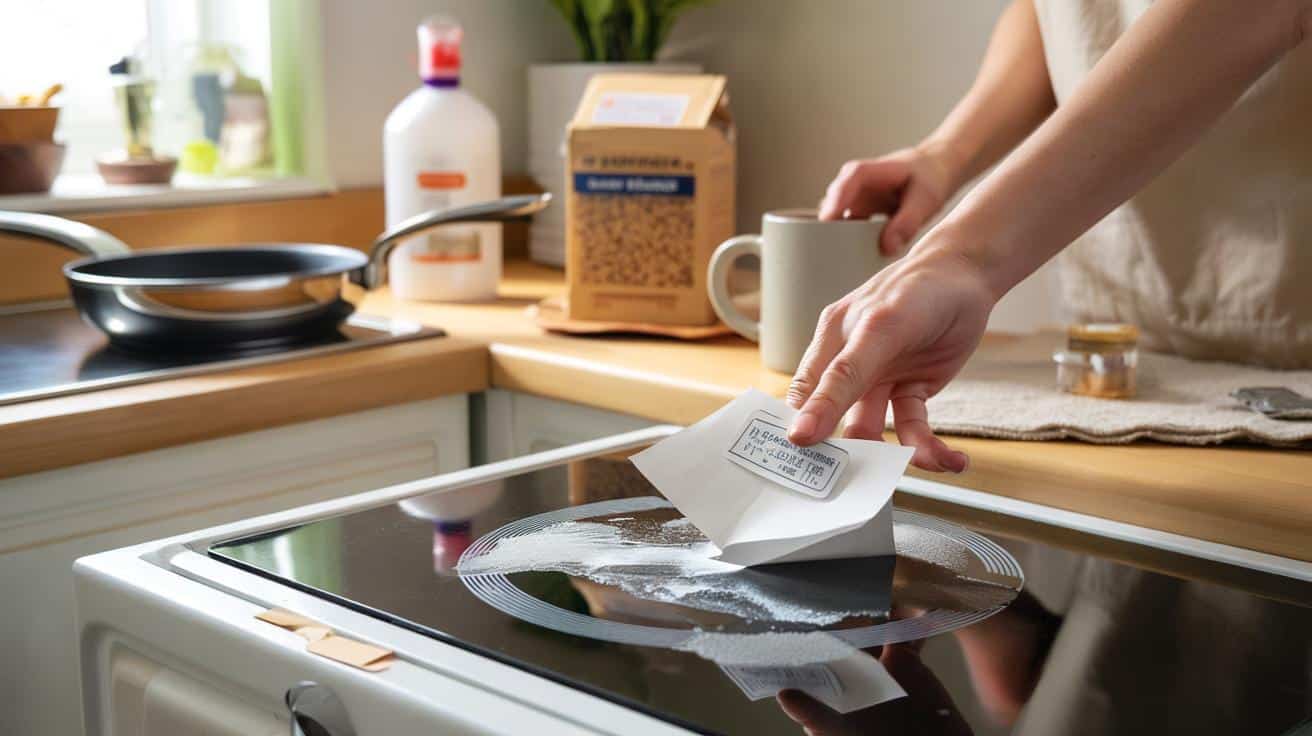
Take the humble sticker on a new appliance. You know the one: glued so fiercely to the glass that you end up scraping it with your fingernail, then with a knife, then with oil, leaving a cloudy rectangle forever. Now compare that to the same sticker with a tiny folded corner, creating a convenient tab. That’s it. No expensive material, no futuristic design. Just a deliberate un-sticking point. You pull, it peels, you move on with your day. That extra three seconds of ease doesn’t make headlines, yet it quietly changes how you feel about the brand, the product, and yes, even your morning. One tiny change, multiplied by hundreds of uses, becomes a new baseline of comfort.
What’s really happening is that this micro-adjustment is absorbing “micro-frustration”. Our brains hate waste: wasted motion, wasted time, wasted effort cracking open a container that promised “easy open” in cheerful letters. When an object respects your movements, you spend fewer brain cycles on it. Your attention can go somewhere better than battling plastic packaging. That’s the tiny change that makes objects easier to live with: design that removes friction at the exact moment you usually sigh. It’s not bigger. It’s not fancier. It’s simply closer to the way your body naturally moves through the world. *The object stops being a tiny enemy and becomes a quiet ally.*
One tweak that changes everything: add a grip, add a cue
There’s one small adjustment you can apply almost anywhere at home: give your objects a clearer grip or a clearer cue. That might mean adding a self-adhesive tab to a drawer that’s always hard to open. Or wrapping a thin, non-slip tape around the handle of the pan you use every morning, so it doesn’t twist in your hand. Or sticking a bright dot next to the side of the USB hub that actually accepts the cable. You’re not redesigning the whole object. You’re adding a tiny “handle” for your fingers or your eyes. Something that says: grab here, press here, slide this way. Suddenly the friction point becomes an obvious starting point.
We tend to feel guilty about hacking things this way, as if the product should “work as intended” straight out of the box. So we keep living with that cupboard that slams, that bin lid that never stays up, that toothpaste tube that always slides behind the sink. We tell ourselves we’ll fix it “properly” one day with the perfect tool or a full renovation. Let’s be honest: nobody really does this every single day. Yet a strip of Velcro on a slipping rug can save you countless near-falls. A rubber band around a shampoo bottle that always slips from your wet hand can stop those little morning curses. These are imperfect, slightly ugly tweaks. And that’s exactly why they’re so human.
“Good design is as little design as possible,” wrote Dieter Rams. In real life, that often means as little effort as possible for the person using it.
- Add a small silicone dot under any object that rattles or wobbles on a hard surface.
- Stick a tiny label or colored dot on “front-facing” sides: remote controls, chargers, food containers.
- Loop a short piece of ribbon through zippers or tiny pull tabs that your fingers struggle to catch.
- Use removable hooks to bring frequently used items down to hand height instead of overhead.
- Choose **one** annoying object each week and give it a clearer grip or a clearer cue.
Living in a home that doesn’t argue back
There’s a quiet pleasure in walking through your home and noticing that fewer things fight you back. The door that used to slam now closes with a soft bump because you added a simple felt pad. The tangled pile of bags behind the door has turned into two hooks, each holding exactly one bag you actually use. The same objects exist, but they no longer demand little pieces of your patience. It’s not about turning your house into a showroom worthy of a glossy magazine. It’s about reducing the number of tiny negotiations you have with your surroundings, so your attention is free for people, ideas, rest.
We’ve all been there, that moment when a drawer gets stuck for the third time and you snap at someone who isn’t responsible at all. That burst of irritation didn’t start with the person. It started with the object. When you remove a few of those daily sparks, the tone of your day shifts by a degree you can’t fully measure, but you feel it. A looser jaw. One less muttered swear word before 9 a.m. The tiny change that makes objects easier to live with sometimes isn’t in the object at all. Sometimes it’s the permission you give yourself to adapt, to tape, to label, to slide a cork coaster under the leg of a wobbly table and call the job done. Your home doesn’t have to be perfect. It just has to stop picking small fights with you.
| Key point | Detail | Value for the reader |
|---|---|---|
| Spot friction | Notice objects that regularly cause micro-irritations (stuck drawers, slippy handles) | Gives a clear starting point for simple, targeted tweaks |
| Add grip or cues | Use tabs, dots, hooks, tape or labels to guide hands and eyes | Makes daily gestures smoother and more intuitive |
| Think small, act weekly | Improve just one annoying object per week | Builds a calmer, smarter home without overwhelm |
FAQ:
- How do I know which object to improve first?Start with the one that makes you sigh or mutter every single day: a jar, a drawer, a cable. That’s where a tiny change will feel huge.
- Do I need special tools or DIY skills?No. Most changes are low-tech: adhesive hooks, rubber bands, felt pads, colored stickers. Think tape and tabs, not power tools.
- Won’t these tweaks make my home look messy?If you keep them small and intentional, they often disappear visually. And even if they show a little, the comfort you gain usually outweighs the slight imperfection.
- Is this just a trend or real design thinking?Professional designers call this reducing friction and improving affordance. It’s a serious approach, just applied in a very everyday, personal way.
- How often should I adjust things?Once you start noticing, ideas will pop up all the time. A gentle rhythm is to fix one micro-annoyance each week and let the benefits quietly accumulate.
➡️ Most people underestimate how routine choices affect their finances
➡️ How irregular routines can disrupt your sense of balance
➡️ How mental fatigue can appear without emotional stress
➡️ How monthly financial planning changes once children enter the picture
➡️ “This comfort recipe is what I cook when I need something reliable”
➡️ This job allows you to work alone and still earn a comfortable living
➡️ If your plants stop growing without turning yellow, this internal signal matters